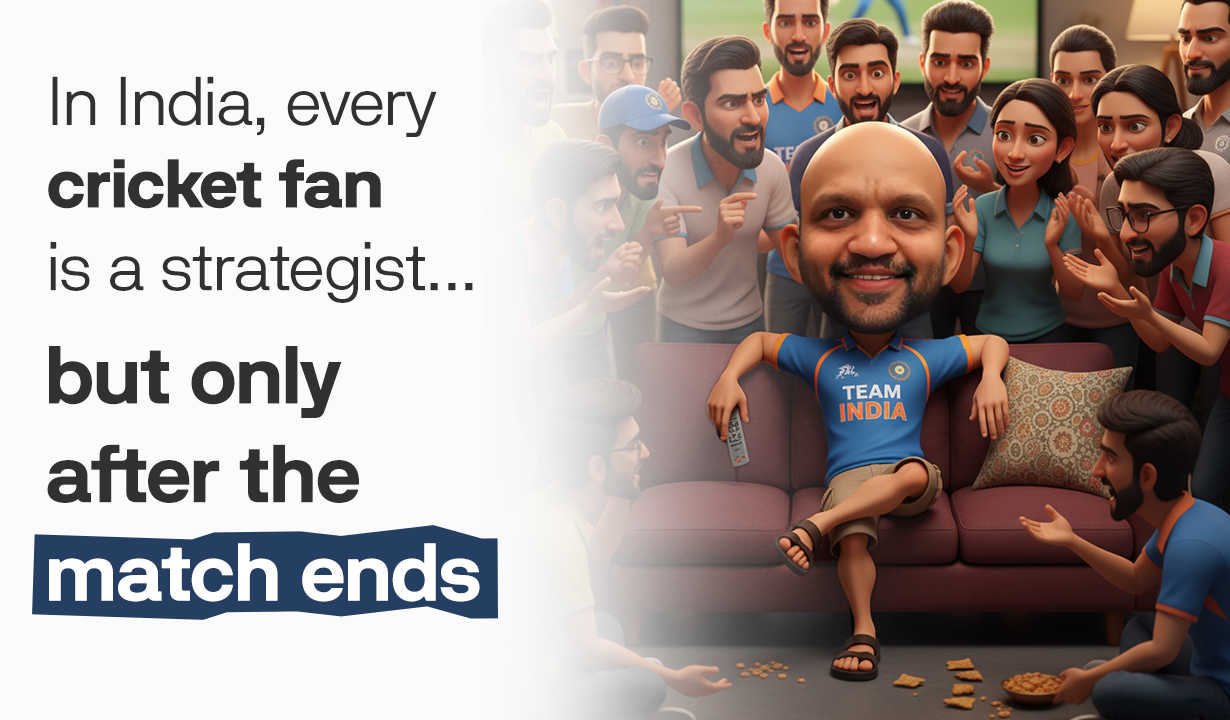
India vs England Semi‑Final: Leadership, Luck and 1.4 Billion Experts

India beat England in a breathtaking T20 semi-final that had everything: massive scores, momentum swings, and the kind of last-over tension that turns entire nations into instant cricket analysts.
India posted a towering total of 253, powered by aggressive batting and relentless intent. England responded fiercely, pushing the chase deep into the final overs before India eventually closed the game by just a handful of runs.
Across India, celebrations erupted. Social media exploded. Experts emerged from every corner of the internet explaining how brilliant the strategy had been.
And yet, here is the uncomfortable truth about sport and leadership: if India had lost that match, the reaction would have been exactly the opposite.
The same decisions that today look bold would have been called reckless.This is exactly how bold leadership choices are judged — a pattern also visible in Deepinder Goyal’s bold leadership move, where a controversial decision sparked debate before people understood the strategy behind it. The captain would have been labelled clueless. Every television panel and WhatsApp group would have produced its own version of tactical brilliance.
This is the strange reality of leadership — in sports and in organisations. The line between genius and stupidity is often just the final scorecard.
These moments also reveal some powerful sports leadership lessons about how decisions are judged in high-pressure environments.
In high-pressure moments, leadership decision making rarely looks perfect. High-pressure environments don’t just affect results — they also affect the mental state of leaders and teams, something explored in why stress is quietly killing performance inside organizations.Captains operate with instinct, partial information and gut feel. This is the essence of decision making under pressure, whether on a cricket field or inside a corporate boardroom.
Sometimes those instincts win matches. Sometimes they don’t.
But the outside world rarely judges the decision itself. It judges the outcome.
Win and you’re a visionary. Lose and you’re incompetent.
This is one of the most overlooked leadership lessons from sports. Results shape the narrative far more than the quality of the decision.
This mindset goes far beyond cricket. It explains why so many leaders in business, politics and organisations become risk-averse.
When every decision will be attacked if it fails, people begin to choose safety over ambition. They choose the option that protects them rather than the option that might actually win.
Over time, that fear slowly kills creativity, courage and innovation — the very leadership qualities that organisations and teams need to succeed.
Leadership needs space to make uncomfortable calls.
In both business and leadership in sports teams, the people in command must have the freedom to take calculated risks.
Let the people in command be in command. Celebrate them when they win. Stand with them when they lose. But don’t pretend you could have done better from the sofa.
Yesterday’s semi-final also did something else brilliantly. It became the perfect promotional campaign for Sunday’s final.
A 500-run thriller, dramatic swings and a last-over finish have sent expectations across the country into overdrive.
Moments like these also highlight the importance of mental toughness in sports and the ability to perform under extreme pressure.
But finals have a cruel habit of ignoring momentum.
Sunday will not care about yesterday’s heroics. It will care only about execution.
And once again, somewhere between victory and heartbreak, the thin line between genius and stupidity will quietly wait — reminding us of the deeper sports leadership lessons hidden inside every great match.
1. What leadership lessons can we learn from sports?
Sports offer powerful leadership lessons about teamwork, resilience, and decision-making under pressure. Captains and coaches often make critical decisions with limited information, teaching leaders how to stay calm, trust their instincts, and take responsibility for outcomes. These sports leadership lessons also highlight the importance of accountability, communication, and mental toughness in high-pressure environments.
2. Why are leaders often judged only by results?
In sports and business, leaders are frequently judged by outcomes rather than the quality of their decisions. When a strategy succeeds, the leader is praised as a visionary; when it fails, the same decision may be criticized. This results-based judgment is common in high-pressure situations because people evaluate decisions with hindsight rather than considering the uncertainty present at the moment of decision-making.
3. How do leaders make decisions under pressure?
Leaders make decisions under pressure by combining experience, instinct, and available data. In fast-moving situations like sports matches or business crises, there is rarely perfect information. Effective leadership decision making involves staying calm, trusting preparation, and accepting that some outcomes will depend on factors beyond control.