THE IRAN WAR: A PATTERN WE REFUSE TO LEARN FROM

The Iran War Is No Longer a War. It’s a Pattern Repeating Itself | US Iran Conflict Analysis
History doesn’t repeat itself.
It just gets lazier with disguise.
What we’re seeing right now in the US Iran conflict isn’t new.
It just feels new because the players have changed and the microphones are louder.
Strip away the noise, and this looks dangerously familiar—something that becomes clearer when you look at the global power dynamics behind wars.
A mix of Vietnam, Somalia and Afghanistan.
And if you’ve seen even one of those properly, you already know how this movie tends to end.
This isn’t just another headline in the Iran vs US tensions cycle.
This is a deeper US Iran conflict analysis—one that reflects a repeating pattern of modern wars.
From War to Theatre
This has now become a war of words.
On one side, you have Donald Trump doing what he does best:
- escalate language
- simplify complexity
- turn geopolitics into dominance theatre
“Stone age.”
“Obliterate.”
“Finish it.”
It’s not strategy.
It’s messaging designed to look like strategy.
On the other side, Iran responds with equal intensity:
- civilizational pride
- historical endurance
- ideological defiance
At this point, neither side is talking to each other.
They’re talking past each other.
And more importantly, they’re talking to their own audiences—something we’ve repeatedly seen in the pattern of US wars and broader geopolitical conflict patterns.
This War Is Not Ending
Let’s get the uncomfortable truth out of the way.
This US Iran war is unlikely to end cleanly.
Not neatly. Not diplomatically.
Because ending requires:
- compromise
- negotiation
- someone willing to look like they lost
And right now, none of that exists.
For Iran, this is existential.
Negotiation is not strategy.
Survival is.
If they stand, endure, and don’t break, they win in their own framework.
This is exactly why experts often ask: why wars don’t end easily—and why the US Iran conflict won’t end in a conventional sense.
The Shift Nobody Is Talking About
This is no longer:
a war against a regime
It is rapidly becoming:
a war against a nation
And that changes everything.
Because regimes fall.
Nations don’t.
The moment a conflict becomes civilizational, it unlocks something far more dangerous:
Fanaticism.
And fanaticism has one unfair advantage:
It does not need efficiency. It only needs belief.
This is where the conflict begins to resemble a civilizational conflict vs regime change scenario—one of the most dangerous shifts in modern Middle East conflict 2026 dynamics.
The Leadership Problem
You have leadership that:
- thrives on escalation
- cannot afford to look weak
- does not negotiate from vulnerability
A graceful exit is not part of the system.
Wars don’t end when one side wins.
They end when one side accepts a version of losing.
If that doesn’t happen, the war just mutates.
This pattern has defined conflicts from the Vietnam War to the War in Afghanistan—key reference points in any serious US Iran conflict analysis.
Possible Outcomes (None Clean)
1. Prolonged Stalemate
Endless strikes. No resolution.
2. Crisis Event
A trigger moment that escalates everything emotionally.
3. State Collapse
Not “stone age.”
A failed state. Fragmented. Angry. Unstable.
Which is worse.
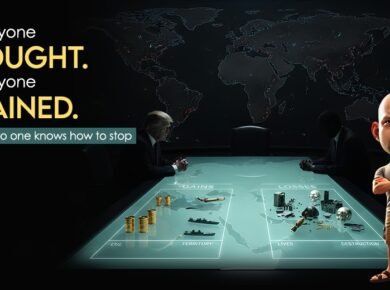
Because you don’t end the problem. You multiply it—and over time, it becomes clear who is quietly gaining and who is absorbing the cost, revealing the winners and losers of modern conflicts.
This is a familiar outcome in past conflicts like the Somalia conflict, reinforcing the long-term risks behind current Iran conflict news narratives.
The Real Risk
If Iran fractures:
- you don’t get peace
- you get revenge ecosystems
Entire generations built on:
- memory
- anger
- retaliation
This becomes a 20–30 year shadow conflict.
A scenario deeply tied to fears of a failed state and long-term instability in Middle East conflict 2026 projections.
This Is Bigger Than the War
This moment will matter.
It will sit alongside the biggest global turning points of the modern era.
Not because of who wins.
But because of what it changes.
A global power shift 2026 is no longer optional.
It’s inevitable.
Why This Week Matters
This week is critical.
The sidelines won’t stay silent anymore:
- EU
- Gulf states
They will be forced to:
- take positions
- engage
Because this is moving from tension…
to destabilization.
Final Thought
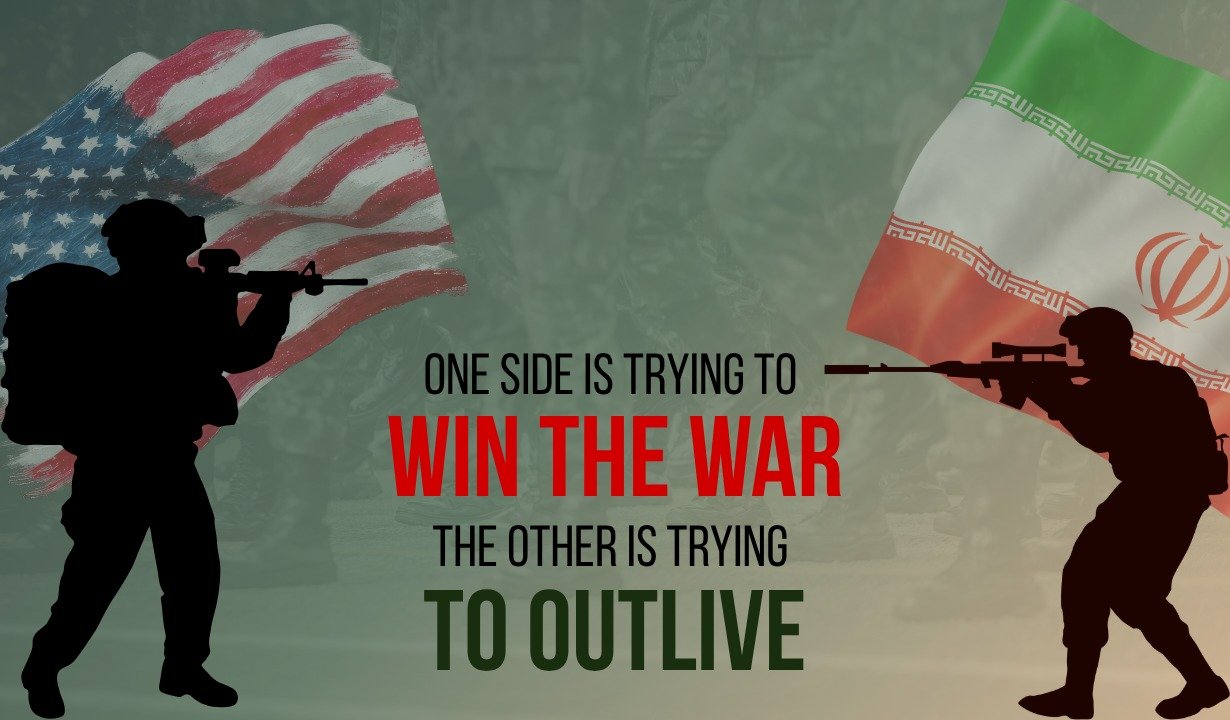
One side believes:
We can end this
The other believes:
We just need to outlast this
History is very clear about which mindset is harder to defeat.
And yet, here we are.
Running the same experiment again—one that continues to define the evolving US Iran conflict, and the broader geopolitical conflict patterns shaping our world.
FAQs
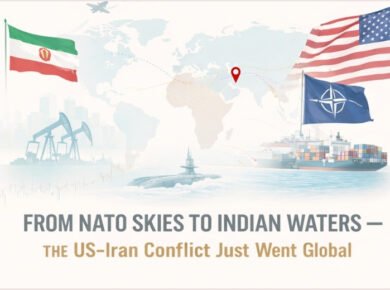
1. Is the US Iran war going to escalate into World War 3?
The US–Iran conflict escalating into a global war is possible, but not inevitable.
For it to become something like a world war, multiple major powers would need to get directly involved. Right now, most countries—including allies—are trying to avoid full-scale escalation.
However, the real risk lies in miscalculation:
- a direct strike on critical infrastructure
- disruption of global oil routes
- involvement of regional powers
Historically, conflicts don’t start as “world wars.” They expand gradually.
What makes this situation dangerous is not intent—but chain reactions.
2. Why is the US Iran conflict repeating history?
Because the pattern of modern wars hasn’t changed—only the context has.
This conflict mirrors earlier wars like the Vietnam War and the War in Afghanistan in three key ways:
- escalation driven by perception, not clarity
- leadership unwilling to appear weak
- no clear definition of “victory”
When wars are built on endurance vs dominance, they stop being short-term conflicts and turn into long-term cycles.
That’s why it feels familiar—because structurally, it is.
3. What happens if Iran becomes a failed state?
If Iran collapses into a failed state, the consequences would be far more dangerous than a conventional war outcome.
Instead of resolution, you would likely see:
- fragmented power centers
- rise of armed groups and proxy networks
- long-term regional instability
We’ve seen similar patterns in the Somalia conflict.
The biggest risk isn’t immediate chaos—it’s generational instability:
- revenge cycles
- ideological radicalization
- persistent low-intensity conflict
In short, the conflict doesn’t end—it multiplies.
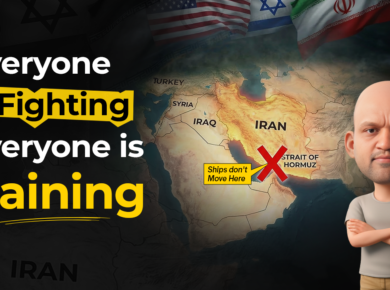
4. Why is the Strait of Hormuz important in the Iran war?
The Strait of Hormuz is one of the most critical energy routes in the world.
A significant portion of global oil supply passes through this narrow passage.
If tensions disrupt it:
- oil prices spike globally
- supply chains are affected
- economic pressure increases worldwide
This is why even limited conflict in the region has global consequences.
In many ways, control or disruption of this route is not just strategic—it’s economic leverage.
5. Is this the first social media war?
Not the first—but definitely the most amplified.
What makes this conflict different is how it’s being shaped in real time on platforms like X (Twitter), Instagram, and YouTube.
Key shifts:
- narratives spread faster than facts
- leaders communicate directly to audiences
- public perception becomes part of the strategy
This turns war into something beyond the battlefield—
a mix of information, influence, and identity.
In that sense, it’s not just a war of weapons.
It’s a war of narratives.