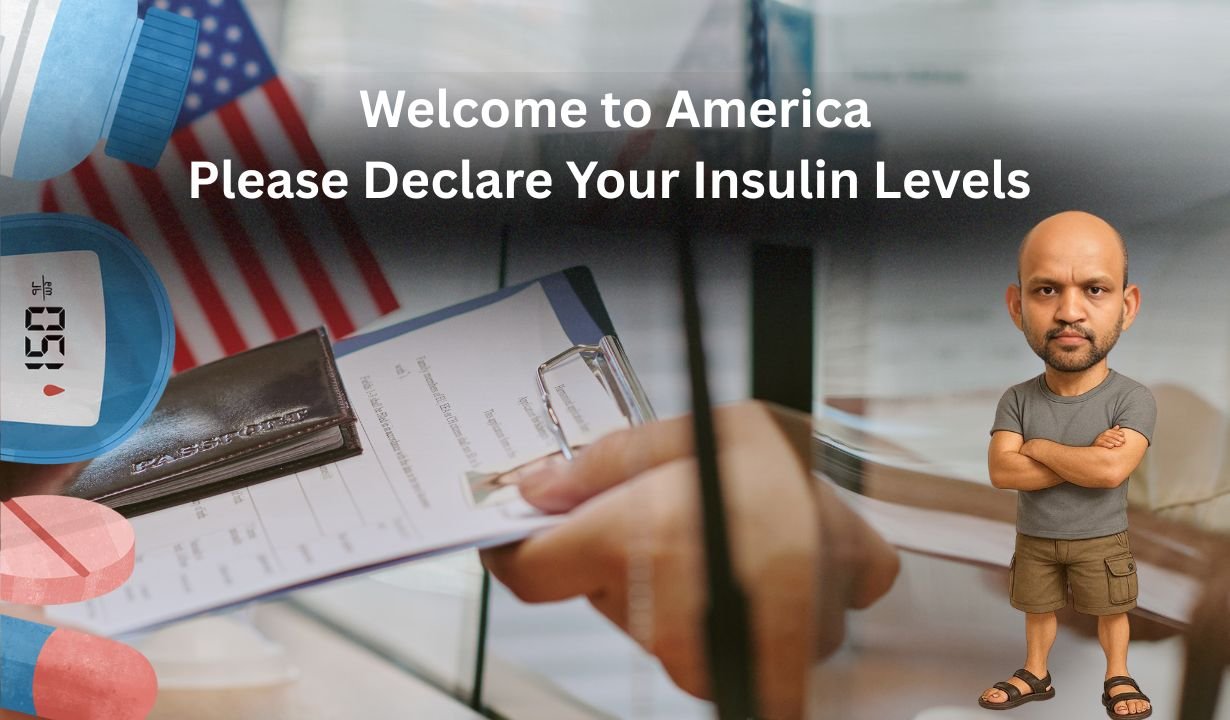
US Visa Policy: When Chronic Illness Becomes a Border Wall

1. The US Visa Health Crackdown That’s Breaking Logic (and Hearts)
In a move that’s creating shockwaves across global headlines, the United States has announced new visa screening rules — targeting people with chronic illnesses such as diabetes, heart disease, and obesity.
Apparently, if you’re not medically “perfect,” the gates to the American Dream might just shut on you.
As a mental health activist who works on stress, resilience, and emotional wellness, I can’t help but notice the irony.
In an age when the world is preaching self-care and empathy, the U.S. is treating illness like a criminal record.
2. Rebooting Ellis Island—2025 Edition
Picture this:
You step off a plane at Ellis Island 2.0.
Immigration officers now double as doctors.
They check your passport, then your pulse.
Blood sugar? Too high.
Cholesterol? Too risky.
Heart condition? Return ticket activated.
They might even debate whether to handcuff you on the flight back — just to ensure you don’t eat the inflight peanuts.
Let’s be clear: cracking down on illegal immigration or visa fraud is governance.
But denying visas because someone has Type 2 diabetes or hypertension?
That’s not policy — that’s performance.
3. Health as a Visa Criterion: The Public Charge Rule Returns
This so-called health-based visa screening is an expanded version of the old Public Charge Rule, designed to prevent those who might “burden” the healthcare system.
The twist?
Now, visa officers — who are not doctors — will be deciding who’s “too expensive to admit.”
They’ll analyze your BMI and blood pressure like Wall Street analysts projecting medical expenses.
If your body stats don’t align with their spreadsheets, your dream gets denied.
4. The 50% Problem: India and Chronic Illness
Here’s the kicker: in India, over 50% of adults live with a chronic condition — diabetes, hypertension, heart disease, pick your poison.
That’s half the population.
By this new logic, half of India is now unfit to even apply for a U.S. visa.
What’s next?
A “Mental Stress Index” test before they let you handle U.S. healthcare bills?
5. A Masterclass in Political Theatre
This new visa policy is textbook performative governance.
It follows the announce first, clarify later doctrine.
Just like the H1-B fiasco — remember the headline “$100K fee for everyone”?
It starts with chaos, ends with 100 footnotes, and achieves nothing in between.
The predictable steps:
- Announce a dramatic crackdown — grab global headlines.
• Let panic and outrage fuel media traction.
• Release endless clarifications: “only for new visas,” “not renewals,” “not students.”
• Declare victory while quietly backpedaling.
6. The Human Cost: Stress, Stigma, and Systemic Insanity
This policy doesn’t just target the sick — it stigmatizes them.
It tells people living with chronic conditions that they’re liabilities, not contributors.
It also fuels stress, anxiety, and distress, especially among those who’ve already spent years preparing for work, study, or family reunification in the U.S.
From the perspective of a mental health activist, this is catastrophic.
Policies like this breed fear, shame, and self-doubt — not health or accountability.
7. What This Really Means
Here’s what lies beneath the headline drama:
• The visa system is turning into a medical evaluation board.
• Chronic illness is being framed as moral failure.
• Healthcare has replaced criminal history as the new barrier to entry.
• This isn’t reform — it’s reality-TV politics disguised as policy.
In short: the land of opportunity is now open only to those whose blood pressure behaves.
8. Final Word
Immigration policy is supposed to reflect a nation’s values.
If modern America now values youth, health, and productivity over compassion and inclusion — then this says less about its borders and more about its moral pulse.
And as someone who deals in mental wellness, I’ll say this plainly:
A world that punishes illness is a world that’s already sick.