Iran War Analysis – War. Power. Profit. And the Illusion of Sides.

International politics is serious business.
It decides borders, economies, currencies, oil prices, and occasionally, whether your flight ticket doubles overnight.
But if you understand it well enough, it’s also brutally predictable.
Because once you strip away the speeches, outrage, and breaking news banners, what remains is simple:
Everyone already knows what they want. And everyone is getting there.
This Iran war analysis isn’t about chaos.
It’s about clarity.
This War Has No Victims. Only Objectives.
The ongoing Iran conflict isn’t chaos.
It’s choreography.
Every major player walked in with a checklist:
- Strategic control
- Economic leverage
- Military positioning
- Narrative dominance
And now they’re ticking boxes.
This is what real international relations analysis looks like beneath the surface- — much like how global economic moves, as explained in the truth about free trade and tariffs, are rarely just about policy and more about strategic leverage.
The World Makes Sense. You Just Need Cynicism.
If you still believe wars are about right vs wrong, you’re watching the wrong story.
Countries don’t have emotions. They have interests.
Suddenly:
- Allies betraying allies makes sense
- Enemies trading with enemies makes sense
- Public outrage and private deals make sense
Cynicism isn’t negativity. It’s clarity.
That’s the foundation of understanding modern global power dynamics.
This Isn’t Ukraine 2.0. This Is Far More Dangerous.
That war was economics fighting economics.
This one is different.
This is:
- Economics vs ideology
- Rationality vs rigidity
- Markets vs belief systems
And belief systems don’t negotiate easily.
This shift is what makes the current Iran US tensions explained so critical globally.
Iran Isn’t Isolated. It’s Networked.
Iran operates with:
- State backing from global powers
- Non-state actors across regions
- Deep asymmetric warfare capability
It doesn’t depend. It distributes influence.
This is a key layer in any serious Middle East geopolitics discussion.
The US: Powerful, Yet Alone-ish
The US still leads militarily.
But this time:
- Allies are hesitant
- NATO is present but not unified
- The Middle East is divided
Support exists. Alignment doesn’t.
That’s where traditional global alliances start to fracture.
China and Russia: Quiet Winners
Wars are terrible. Unless you’re positioned correctly.
China:
- Expands economic influence
- Secures energy access
- Gains without direct conflict
Russia:
- Weakens sanction pressure
- Gains leverage in Ukraine
- Re-enters global relevance
This is a textbook example of long-term China Russia geopolitical strategy.
The New World Order Is Already Here
The era of one dominant power is fading.
What replaces it:
- Multiple power centers
- Competing influence zones
- Strategic fragmentation
Messy. Unstable. Real.
This is the emerging reality of the new world order geopolitics.
Energy Still Rules Everything
The world runs on energy.
And this war is now targeting:
- Ports
- Fuel depots
- Gas infrastructure
Control energy, control the world.
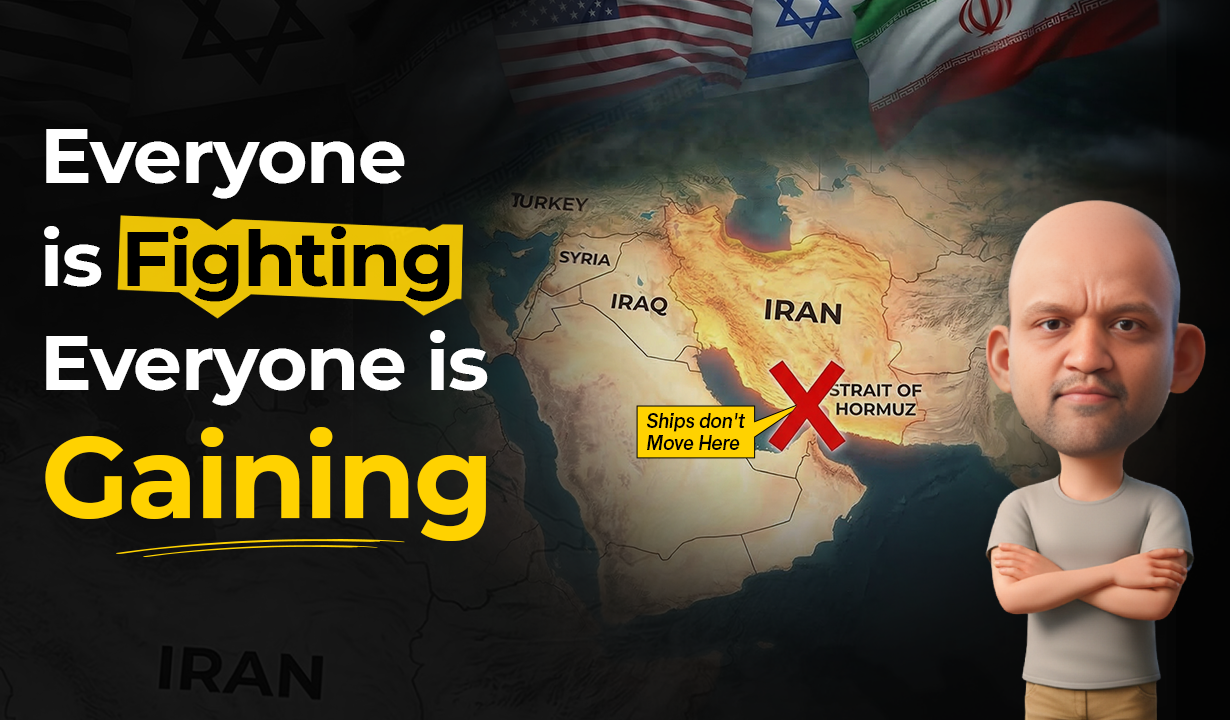
The Strait of Hormuz becomes critical — as detailed in this breakdown of the US–Iran conflict’s global impact, even a partial disruption here can shake global energy markets.
Escalation there impacts everyone—and can trigger a wider energy crisis in the Middle East.
War Is Spreading
This is no longer contained.
The conflict is expanding across:
- Infrastructure
- Trade routes
- Strategic assets
That’s when wars become global problems.
And that’s when the global war economic impact begins to ripple across countries.
Everyone Is Playing Their Own Game
Europe:
- Wants distance
- Wants leverage
India:
- Stay neutral
- Build relationships everywhere
- Focus on growth
A practical approach in shifting global power dynamics 2026.
Ukraine Still Matters
Ukraine has evolved.
From dependent to highly capable.
Especially in modern drone warfare.
In geopolitics, weakness is temporary.
Final Thought
No one enters a war hoping to lose.
They enter with defined outcomes.
And right now, everyone is moving toward theirs.
War looks like destruction.
Underneath, it’s negotiation. Leverage. Positioning.
A very expensive business meeting.
Most Searched Questions
1. What is happening in the Iran war right now?
The Iran conflict isn’t random escalation. It’s structured movement.
What looks like chaos—attacks on infrastructure, rising tensions, disrupted trade routes—is actually strategic positioning. Every action is tied to leverage: military, economic, or political.
This isn’t confusion. It’s coordination with competing objectives.
2. Who benefits from the Iran war?
No major player enters a war to lose.
The US asserts military dominance but faces alignment challenges.
China expands economically without direct conflict.
Russia regains geopolitical relevance and reduces external pressure.
The real answer: everyone involved is extracting something—just in different ways.
3. What is the global economic impact of the Iran conflict?
The biggest impact is energy disruption.
As tensions rise around critical routes like the Strait of Hormuz, oil supply uncertainty increases. That leads to price volatility, inflation pressure, and ripple effects across global markets.
When energy moves, everything else follows.
4. Why are the US and Iran in conflict?
At the surface, it’s about security and regional stability.
Underneath, it’s about control—of influence, territory, and long-term positioning in the Middle East.
The conflict isn’t sudden. It’s the continuation of years of strategic friction between competing systems and interests.
5. Can the Iran war turn into a global war?
It already has the ingredients.
The conflict is no longer limited to one region—it’s affecting trade routes, alliances, and global markets. Multiple power centers are indirectly involved.
Whether it becomes a full-scale global war depends on escalation control.
But the impact is already global.