WHEN NATIONALISM HITS ITS LIMIT: ORBÁN, TRUMP AND THE GLOBAL FATIGUE WITH STRONGMEN

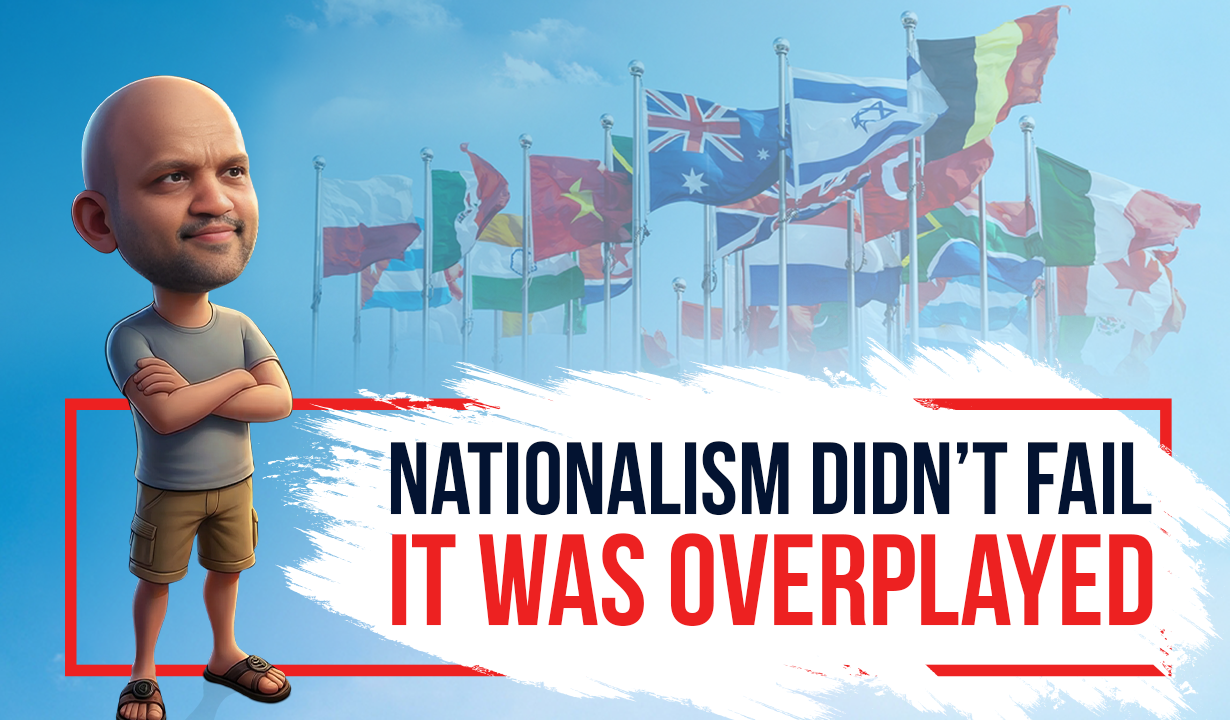
The global nationalism trend isn’t ending—it’s being stress-tested.
For years, leaders like Viktor Orbán defined the model of modern nationalism politics.
Control the system.
Control the narrative.
Wrap it in nationalism.
Win elections.
Repeat.
Now? Cracks.
Not collapse. Not yet.
But enough to signal something bigger in the global nationalism trend:
👉 The model is no longer unquestioned.
Global Nationalism Trend: This Was Never Just About Hungary
Orbán is part of a global ecosystem shaped by nationalism in global politics and strongman leaders.
A system that includes:
• Donald Trump
• Jair Bolsonaro
• Recep Tayyip Erdoğan
• Narendra Modi
Different countries. Same instinct:
👉 Identity as power in the age of identity politics global.
20 YEARS OF NATIONALISM: THE RISE
2000–2010: Globalisation Peak
- Open economies
• Global cooperation
• Liberal optimism tied to globalisation vs nationalism debates
2010–2020: Identity Takes Over
- Brexit referendum
• Rise of Donald Trump
• Consolidation by Viktor Orbán
• Expansion across:
o Asia
o Europe
o Americas
o Middle East
👉 Nationalism became the fastest way to connect with voters during the rise and fall of nationalism phase.
Why the Global Nationalism Trend Worked
Because it simplified complexity in political nationalism trends:
• Jobs → blame outsiders
• Culture → protect identity
• Politics → find an enemy
And most importantly:
👉 It gave people certainty in uncertain times, explaining why populism vs nationalism blurred globally.
THE TURNING POINT: WHEN THE BRAND STARTED CRACKING
Let’s talk about the elephant in the room.
👉 Donald Trump
Trump Didn’t Just Lead a Country. He Became a Global Brand
- The face of aggressive nationalism
• The loudest voice of “us vs them”
• The template many leaders copied in modern nationalism politics
For a while, this worked.
Even globally.
But Here’s What’s Changing
Trump’s domestic base remains strong.
• Make America Great Again has real support
• A large part of the US resonates with him
👉 That’s not the debate in the global nationalism trend.
The Real Issue Is Global Perception
Outside the US:
• unpredictability
• constant confrontation
• disregard for alliances
• policy swings
👉 Have created frustration, not admiration—fueling the global fatigue with strong leaders.
And This Has Consequences
Because today:
👉 Politics is global optics in nationalism in global politics.
When the most visible face of nationalism:
• looks erratic
• sounds extreme
• appears uncompromising
👉 The entire ideology gets tagged with it, highlighting the problems with nationalism.
GLOBAL DISENCHANTMENT IS REAL
This reflects the decline of nationalism narrative emerging globally.
People are not rejecting:
• immigration control
• national pride
• internal policy tightening
These still have support.
They are rejecting:
👉 the excess
• constant aggression
• global isolation
• unpredictable leadership
👉 Key risks of populist leadership are now visible.
This isn’t just theoretical – real-world resistance is increasingly visible through the impact of protests in India on political systems.
EXAMPLES ACROSS THE WORLD
Brazil — Jair Bolsonaro
• Strong rhetoric
• Lost power
UK — Post Brexit referendum
• Identity victory
• Execution challenges in nationalism vs globalisation
Turkey — Recep Tayyip Erdoğan
• Still in control
• Facing economic stress
Italy — Giorgia Meloni
• Nationalist roots
• Forced into pragmatic governance
India — Narendra Modi
• Balanced nationalism
• Strong global positioning
👉 Not isolation. Not chaos.
👉 Controlled narrative + execution in future of nationalism models.
🇸🇦 Saudi Arabia — Mohammed bin Salman
• National pride
• But deeply global in execution
🇨🇳 China — Xi Jinping
• Strong nationalism
• But strategic, not erratic
🇭🇺 Hungary — Viktor Orbán
• Long dominance
• Now facing resistance
👉 Fatigue has entered the system, reinforcing limits of nationalism.
The Trump Problem in the Global Nationalism Trend
Let’s say it clearly:
👉 Trump is not the problem.
👉 The excess around Trump is.
Domestic vs Global Divide
Inside the US:
• His messaging resonates
• His base understands the context
Outside the US:
👉 It looks like:
• unpredictability
• volatility
• confrontation without strategy
👉 Reinforcing why nationalism is changing globally.
Why This Matters
Because:
👉 Nationalism needs legitimacy beyond borders.
- Trade
• Diplomacy
• Alliances
You can’t run a country in isolation anymore in the era of global political shift 2020s.
The Risk
Trump may not care about global perception.
But:
👉 Global perception will care about Trump.
- alliances weaken
• trust reduces
• economic relationships strain
👉 Showing the impact of strongman leaders on global politics.
And that eventually comes back home.
Global Nationalism Trend: What’s Changing Now
We are not seeing the end of nationalism.
We are seeing:
👉 The correction of nationalism
From:
• loud
• aggressive
• identity-heavy
To:
• pragmatic
• results-driven
• globally aware
👉 A shift in evolution of political leadership.
THE NEW RULE
You can:
• protect borders
• push identity
• assert strength
But you also need to:
• manage global relationships
• deliver economic outcomes
• maintain credibility
👉 The balance defining the future of nationalism.
FINAL THOUGHT
Orbán’s situation is not isolated.
It’s a signal in the evolving global nationalism trend.
And Trump’s global image is a big part of that signal.
Not because nationalism is wrong.
But because:
👉 Overplaying it has consequences.
The world is not rejecting strength.
It’s rejecting:
strength without balance
Frequently Asked Questions
1. What is nationalism in global politics?
Nationalism in global politics refers to a political approach where leaders prioritize national identity, sovereignty, and domestic interests over global cooperation. Leaders like Viktor Orbán and Donald Trump have popularized this model by emphasizing cultural identity and strong state control.
2. Why has nationalism become popular in recent years?
Nationalism gained popularity due to economic uncertainty, globalization pressures, and cultural shifts. Many voters turned to strong leaders for stability, making figures like Narendra Modi and Jair Bolsonaro symbols of this global political trend.
3. Is nationalism declining globally?
Nationalism is not disappearing, but it is evolving. There is growing fatigue with aggressive and unpredictable leadership styles, leading to a shift toward more balanced and pragmatic nationalism across countries.
4. What are the risks of strongman leadership?
Strongman leadership can lead to global isolation, weakened alliances, and economic instability if not balanced properly. Critics point to leaders like Recep Tayyip Erdoğan as examples where economic and diplomatic challenges have emerged alongside strong nationalist policies.
5. What is the future of nationalism in the 2020s?
The future of nationalism lies in balance – combining national pride with global cooperation. Countries like those led by Xi Jinping are adapting by maintaining strong national control while staying strategically engaged in global systems.